TL;DR | The Highlights
- Most project checklists don’t fail because they’re poorly designed; they fail because they aren’t built around how teams actually work, aren’t consistently visible, and stop evolving as projects change.
- When that happens, teams create their own workarounds: parallel spreadsheets, Slack threads, repeated questions, duplicated decisions, and messy handoffs that quietly introduce project drag.
- A successful checklist is more than a task tracker or documentation repository. It serves as shared project infrastructure, providing a clear view of ownership, decisions, progress, and process across the entire team.
- When a checklist is aligned to real workflows, highly visible, actively maintained, and consistently adopted, it becomes the operational backbone that keeps projects moving forward with clarity, accountability, and confidence.
At some point in almost every implementation, someone asks a question that should already have an answer.
Where are we on that deliverable? Who owns the handoff to Customer Success? Did we resolve that scope decision from three weeks ago?
The answer is rarely “I don’t know.” It’s usually “let me check with someone” or “I think it was decided, but I’m not sure where it landed.” Which is a different kind of problem, right? The information exists somewhere. It just doesn’t exist anywhere the team can find it on their own.
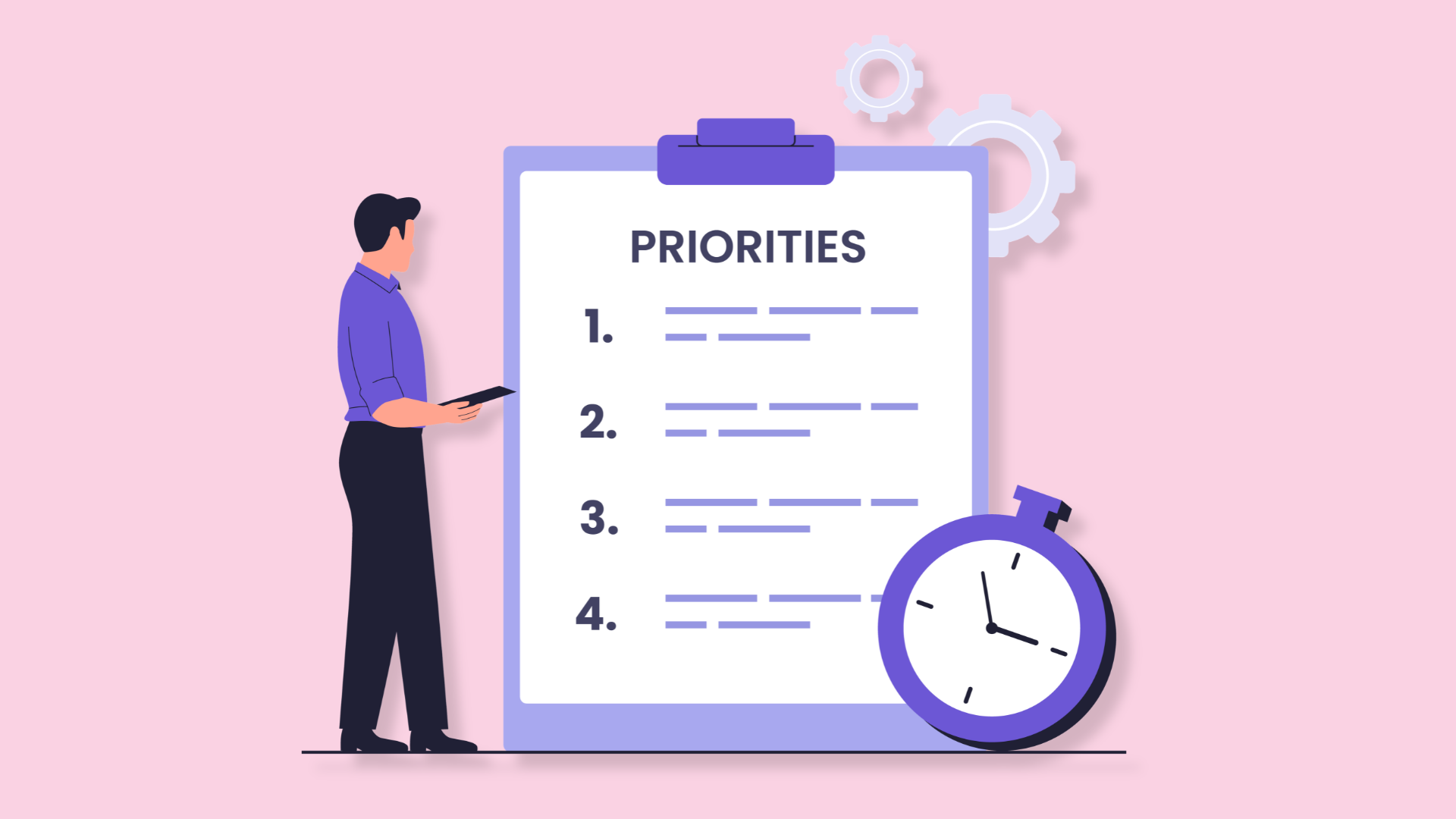
This is the gap a project management checklist is actually designed to close. It is not solely for task management or a compliance artifact for the project record; rather, it serves as a shared operational picture that keeps everyone working from the same version of reality, regardless of when they joined, what workstream they own, or how long the project has been running. To achieve this, a robust checklist should integrate the team’s specific process flows and include standardized templates for each stage of the project.
When that full picture is current and accessible, projects move differently. Decisions get made once. Handoffs land cleanly. A new team member can orient themselves in a matter of hours instead of spending their first week pulling context from people who are already stretched.
When it isn’t, that drag accumulates quietly. And it tends to surface at the worst possible moment.
The question worth asking isn’t whether your project has a checklist. Most do. The question is whether it’s actually doing the job it was built for.
Building for the Project; Not the People Running It
Most project checklists are built with good intentions and not quite enough input from the people who actually have to live inside them. That’s not a criticism; it’s just how it tends to happen.
Someone close to the process maps out the right categories, builds a logical sequence, and creates something that genuinely reflects how the project should run. What it often doesn’t capture is how the work actually moves through this specific team, on this specific platform, inside this specific organization. And that distance, even when it’s small, is enough to make the tool feel slightly off to the people using it.
The gap usually surfaces in the language before it shows up anywhere else. A step labeled “stakeholder approvals” means something precise to the person who wrote it and something different to everyone who reads it. Without a shared definition, two team members can both check that box and have done completely different things. By the time that surfaces, it’s already downstream.
The signal we watch for is parallel tracking. A personal spreadsheet running alongside the official checklist. A Slack thread that quietly became the real source of truth. When that starts happening, it’s worth paying attention to, not as a discipline issue, but as honest feedback about where the official tool isn’t quite meeting the team where they are. The question worth asking is what those informal systems are capturing that the checklist isn’t.
When a checklist reflects how the work actually moves, people use it because it makes their job easier. When it doesn’t, usage becomes something to enforce. And enforced processes rarely outlast the attention of whoever is doing the enforcing.
For stakeholders, this shifts the checklist from a passive reference to an active standard. By anchoring your project governance in this checklist and its associated asset templates, you move toward a unified approach to delivery; one where every initiative begins with a clear, repeatable baseline rather than a blank slate.
Visibility Is Its Own Problem
Even a well-designed checklist fails if the people who need it don’t know it exists. Yes, this can still happen. And this one is more common than most teams realize.
An organization invests real time in building the right artifact, shares it at kickoff, links it in the project workspace, and moves on. But a full project checklist introduced once and never referenced again isn’t really visible. It’s introduced. Those are different things.
We see this most clearly when someone joins an implementation that’s already in motion. They don’t go looking for a checklist they weren’t told about. They do what anyone would do: ask questions, read back through meeting notes, and piece together context from whoever has bandwidth to help. By the time they’re fully oriented, they’ve pulled two or three people off their work and built a mental model of the project that may already be two weeks out of date. That’s not an onboarding problem. It’s a visibility problem that was already there before they arrived.
Real visibility means your checklist has a permanent, intuitive home where the team can navigate naturally without needing directions. It requires more than a kickoff mention; it needs to be an active part of the project rhythm…constantly referenced, revisited, and kept current. When a new member joins, they should be oriented through it explicitly rather than left to discover it by accident. Visibility also demands that expectations for updates be voiced clearly. Without that, you end up with a project where one person diligent about milestones sits alongside someone who hasn’t viewed the document since its introduction. Both are the expected results of the same lack of clarity.
Visibility also has to be maintained as the project evolves, not just established once at kickoff. A tool that’s present at the start but disappears from the conversation gradually disappears from working practice. It becomes something that technically exists, not something that actively runs the project.
The Checklist That Stops Moving With the Work
This one is easy to miss, especially when the project is moving well. The checklist was accurate at kickoff. The team is using it. Things feel under control.
The problem is that a project’s operational reality changes faster than most documentation does. Scope shifts mid-stream. Key team members transition off. A process that was essential in phase one gets replaced by something faster in phase three. And because those changes tend to happen gradually, nobody makes a deliberate decision to stop updating the checklist. It just quietly stops keeping pace.
What makes this costly isn’t the outdated information itself. It’s who finds it. A senior team member who has been on the project since day one carries the real version of events in their head and navigates around the gaps without thinking about it. Someone new to the project doesn’t know what to trust and what to question. They work from what’s written. And when what’s written no longer reflects how the project is actually running, they make decisions based on a version of reality that no longer exists. By the time that surfaces, the rework is already in motion.
We’ve seen this create real setbacks on otherwise well-run implementations, almost always at a project transition point, and almost always traced back to documentation that nobody had been keeping current. It’s one of the more preventable sources of mid-project drag there is.
What tends to help is building a lightweight review into the project rhythm before it becomes urgent. Not a full rebuild, just a regular check: does this still reflect how the work is actually moving? Are the owners still accurate? Is anything missing that the team has been handling informally? Teams that make this a habit find their checklist stays genuinely useful well past the point where others have quietly stopped trusting theirs.
Adoption Is the Diagnostic, Not the Goal
When we look at a project checklist that isn’t working, the first thing we assess isn’t the design. It isn’t whether it has the right sections or the right level of detail.
We look at adoption.
Not because adoption is the end goal, but because it’s the most honest signal of everything else. A checklist with strong adoption tells you the design is close enough to how the work actually moves, that visibility is sufficient for people to find and use it consistently, and that expectations are clear enough for the team to act on without being reminded. A checklist with low adoption tells you at least one of those things is broken, usually more than one.
The distinction matters because it changes where you start. Most teams that recognize their checklist isn’t working go back to the document. They restructure it, update the language, add sections. Sometimes that helps. More often, the design was never the primary issue, and the newly improved checklist gets introduced the same way the original one was and lands with the same result.
Adoption is low not because the checklist is wrong. It’s low because the team was never set up to use it consistently. The place to start isn’t the artifact. It’s the conditions around it.
That means asking a different set of questions. Who on this project knows the checklist exists and where to find it? What are the explicit expectations around how and when it gets updated, and were those expectations communicated or assumed? When was it last reviewed against how the project is actually running? And critically, what is the team using instead, and what does that tell you about what the checklist is failing to provide?
Those questions don’t take long to answer. But they surface the real gap faster than any amount of redesign will. The answer to at least one of them is almost always where the breakdown lives.
The Shared Picture Is the Point
Predictability in an implementation project doesn’t come from the documentation itself; it comes from how the team engages with it. A project checklist is only as effective as the team’s ability to use it, which is why early enablement is the most critical step you can take.
If you wait until a process gap surfaces to point the team toward the checklist, you’ve already lost the momentum. Instead, treating the checklist as an active tool from the very first day (and explicitly orienting the team on how to navigate and maintain it) ensures that everyone works from the same version of reality. When you enable the team to own that infrastructure from the start, you aren’t just managing tasks; you’re building an operational backbone that prevents the preventable drag of misaligned expectations.
A decision that gets made twice. A handoff no one owned. A stakeholder update that required three people to pull together because no single place held the full picture.
These are not checklist problems in isolation. It’s a project infrastructure problem. And it’s one of the most consistent places we see well-run implementations lose time and momentum in ways that are entirely preventable.
If your project infrastructure is lagging behind the pace of your Salesforce implementation or cross-functional RevOps initiative, we can help bridge that gap. Let’s chat.
Let's chat!